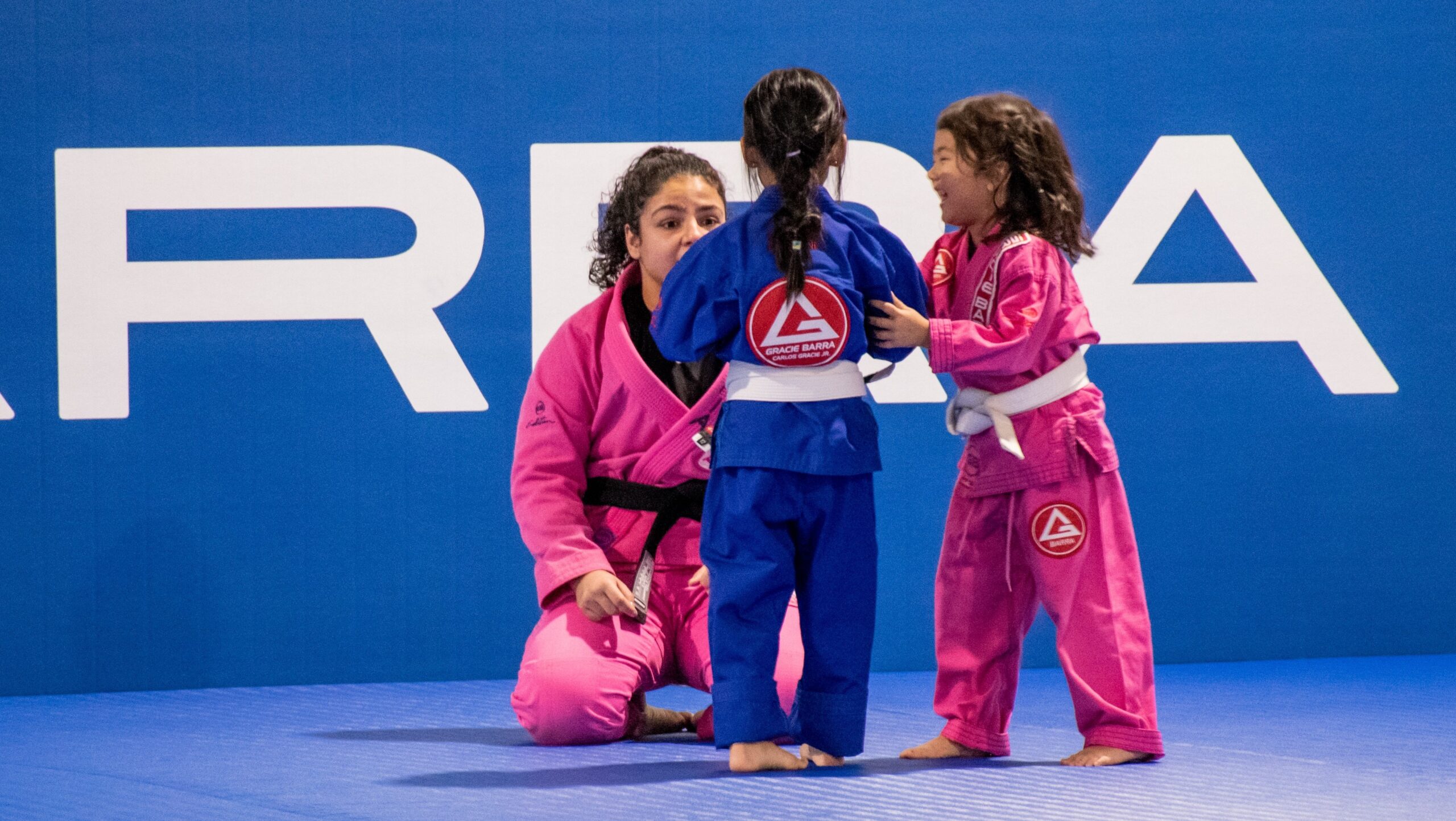
How BJJ Helps Hyperactive Kids in Sugar Land: GB Riverstone
Raising a child with boundless energy brings joy, but it also presents daily parenting challenges. Many parents in Sugar Land search for constructive outlets for children who struggle to sit still, concentrate on schoolwork, or control impulsive reactions. While traditional team sports can sometimes leave restless children waiting on the sidelines, martial arts training offers continuous, purposeful engagement.
At Gracie Barra Riverstone, we welcome high-energy children into a structured, supportive academy setting. Brazilian Jiu-Jitsu provides dynamic physical resistance and clear mental frameworks that help hyperactive youth thrive. Through guided movement and consistent routines, children learn to transform excess energy into calm focus and emotional poise. In this guide, we explore how practicing Jiu-Jitsu at our Sugar Land facility helps hyperactive children develop lifelong self-regulation.
Jiu-Jitsu Classes in Riverstone, Sugar Land
Understanding Restless Energy and Focus Challenges in Children
Hyperactivity in children often stems from a biological need for intense physical and sensory engagement. When children do not receive adequate outlets for physical exertion, their pent-up energy surfaces as restlessness, fidgeting, or emotional outbursts.
Parents often struggle to find activities that capture their child’s attention for more than a few minutes. Sedentary screen time might quiet a child temporarily, but it rarely addresses underlying sensory needs. In contrast, purposeful physical challenge recalibrates the nervous system and creates natural mental calm.
The Need for Purposeful Physical Engagement
Restless children rarely benefit from simple instructions to sit still and be quiet. Instead, their developing brains require physical challenges that demand active concentration.
During Jiu-Jitsu training, children engage in full-body movements that stimulate their muscles and joints. Every drill requires them to push, pull, balance, and scramble with intention. Consequently, their bodies release stored nervous tension through productive physical effort. When class concludes, children feel physically satisfied and mentally centered.
Channeling Restless Impulses into Mindful Movement
Hyperactive youth frequently act before thinking about the consequences of their actions. Jiu-Jitsu actively reverses this habit by making every movement deliberate and strategic.
On our mats, rushed movements often lead to lost balance or compromised positioning. Therefore, children quickly realize that wild thrashing does not produce success. They must slow down, observe their training partner, and execute techniques with precision. This direct feedback loop teaches young minds to replace impulsive reactions with thoughtful decisions.
The Sensory and Neurological Benefits of Grappling
Brazilian Jiu-Jitsu delivers unique sensory stimulation that standard playground activities cannot replicate. The physical contact involved in grappling stimulates the proprioceptive system, which governs body awareness and spatial orientation.
This deep physical stimulation helps regulate overstimulated nervous systems. By organizing sensory inputs through safe physical resistance, children feel grounded and secure in their bodies.
Proprioceptive Input and Deep Pressure Stimulation
Occupational therapists often recommend heavy physical work for children who experience sensory regulation difficulties. Jiu-Jitsu provides this deep pressure stimulation naturally through bodyweight exercises, escapes, and controlled positioning.
When students work against the gentle resistance of a teammate, their muscles and joints send calming signals to the brain. As a result, high-energy children experience a soothing physiological effect. This deep sensory grounding reduces physical restlessness and enhances overall physical coordination.
Stimulating Dopamine and Restoring Emotional Balance
Physical exertion triggers the natural release of vital neurotransmitters, including dopamine and endorphins. These neurochemicals play a crucial role in attention span, mood stabilization, and impulse control.
Hyperactive children frequently experience lower baseline dopamine levels, leading them to seek constant external stimulation. Jiu-Jitsu practice provides a healthy, positive source of mental stimulation. Consequently, regular training stabilizes mood swings and improves sleep quality for young Sugar Land practitioners.
How Structured Classes Teach Self-Regulation and Impulse Control
Classroom environments demand sustained stillness, which can feel overwhelming for a child with hyperactivity. At Gracie Barra Riverstone, we create an orderly, predictable environment where clear rules foster emotional safety.
Our classes combine high-energy physical drills with intentional moments of quiet attention. This alternating rhythm trains children to regulate their arousal levels on demand.
Clear Boundaries and Predictable Routines
Unpredictable environments amplify hyperactivity and anxiety in children. For this reason, our Sugar Land academy follows a consistent class structure every single day.
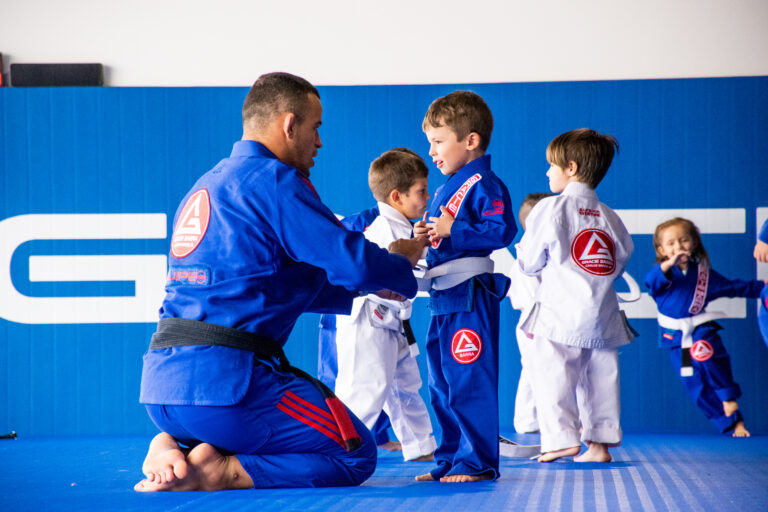
Classes open with formal mat etiquette, including bowing onto the training floor and lining up by rank. Students immediately understand what behaviors our coaching staff expects of them. Furthermore, these predictable boundaries remove ambiguity and reduce anxiety. Children feel safe knowing precisely when to listen, when to move, and when to rest.
Learning to Pause Before Reacting
Impulsive children often react emotionally when they encounter frustration or unexpected physical resistance. Jiu-Jitsu provides a safe laboratory to practice emotional restraint.
When a training partner counters a technique, our students learn to pause and breathe instead of panicking. Highly trained instructors teach children to analyze the problem calmly. Over time, this habit of pausing carries over into school classrooms and home life. Children learn to manage frustrating moments with composure rather than explosive reactions.
Building Social Connections and Empathy on the Mats
Hyperactive children sometimes struggle with social dynamics on standard playgrounds. Their intense energy can inadvertently overwhelm peers, leading to misunderstandings or feelings of isolation.
Gracie Barra Riverstone fosters a community where mutual respect and teamwork form the foundation of every interaction. On our mats, children learn how to direct their energy into positive social partnerships.
Cooperative Partner Drills That Require Focus
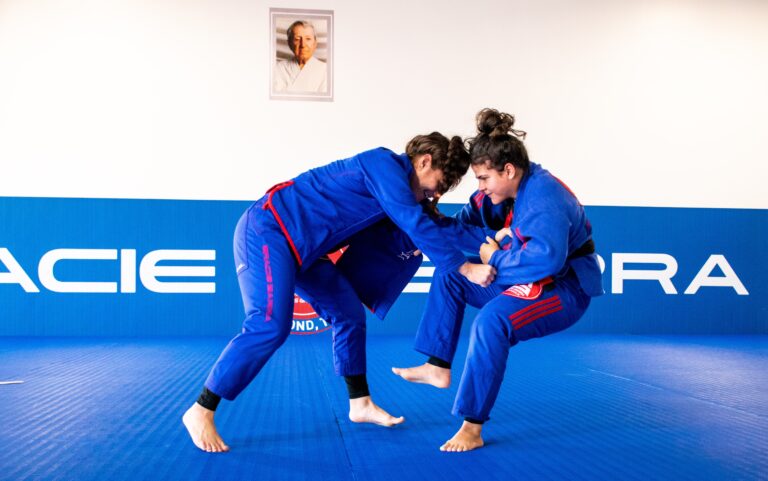
Jiu-Jitsu is an inherently collaborative martial art that requires positive communication between training partners. Every technique involves one student practicing while the other provides controlled assistance.
Therefore, students must pay close attention to their partner’s comfort and safety. Children learn to ask for feedback, match their partner’s tempo, and adjust their grip pressure. This cooperative structure teaches hyperactive kids to read non-verbal social cues with sensitivity and warmth.
Positive Mentorship from Highly Trained Instructors
Instructional leadership determines the success of a child’s martial arts experience. At Gracie Barra Riverstone, our well-trained instructors understand childhood behavioral patterns and developmental psychology.
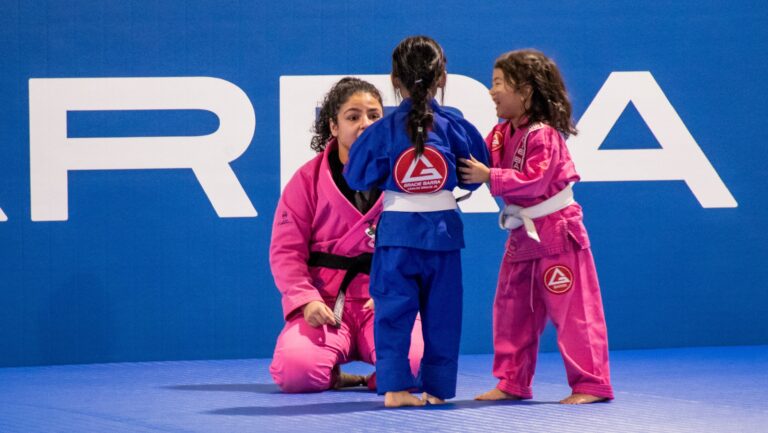
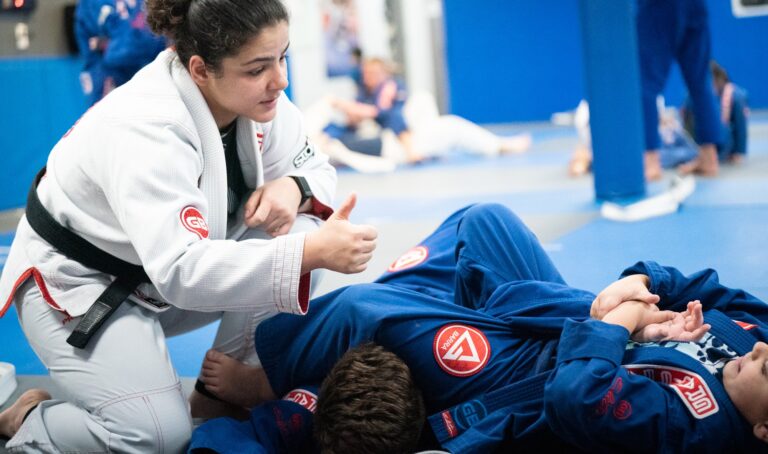
Our highly trained instructors provide firm yet compassionate guidance to keep active students engaged. Instead of criticizing a child for fidgeting, our coaches redirect that energy toward constructive drills. This patient mentorship builds trust and encourages students to give their best effort in every class.
Practical Strategies for Sugar Land Parents
Supporting a hyperactive child requires teamwork between parents and coaches. Establishing healthy routines at home reinforces the discipline and focus learned on the training floor.
Parents who embrace the martial arts lifestyle discover simple, practical ways to help their children succeed both on and off the mats.
Setting a Consistent Weekly Training Rhythm
Consistency produces lasting behavioral transformation. When a child trains sporadically, each session feels like an unfamiliar challenge.
In contrast, attending classes two to three times per week establishes a comforting routine. Hyperactive children look forward to having a predictable physical release after sitting in school all day. Consequently, this consistent weekly rhythm creates emotional stability and steady physical progression.
Celebrating Small Daily Wins Over Perfection
Progress in Brazilian Jiu-Jitsu occurs through incremental steps rather than overnight transformations. Children with focus challenges often feel discouraged if they hold themselves to unrealistic standards.
At our academy, we encourage parents to celebrate daily effort and positive attitude rather than perfect technique. Recognizing a child for listening carefully, tying their belt, or encouraging a teammate reinforces their self-worth. These small daily victories inspire children to stay dedicated to their personal growth.
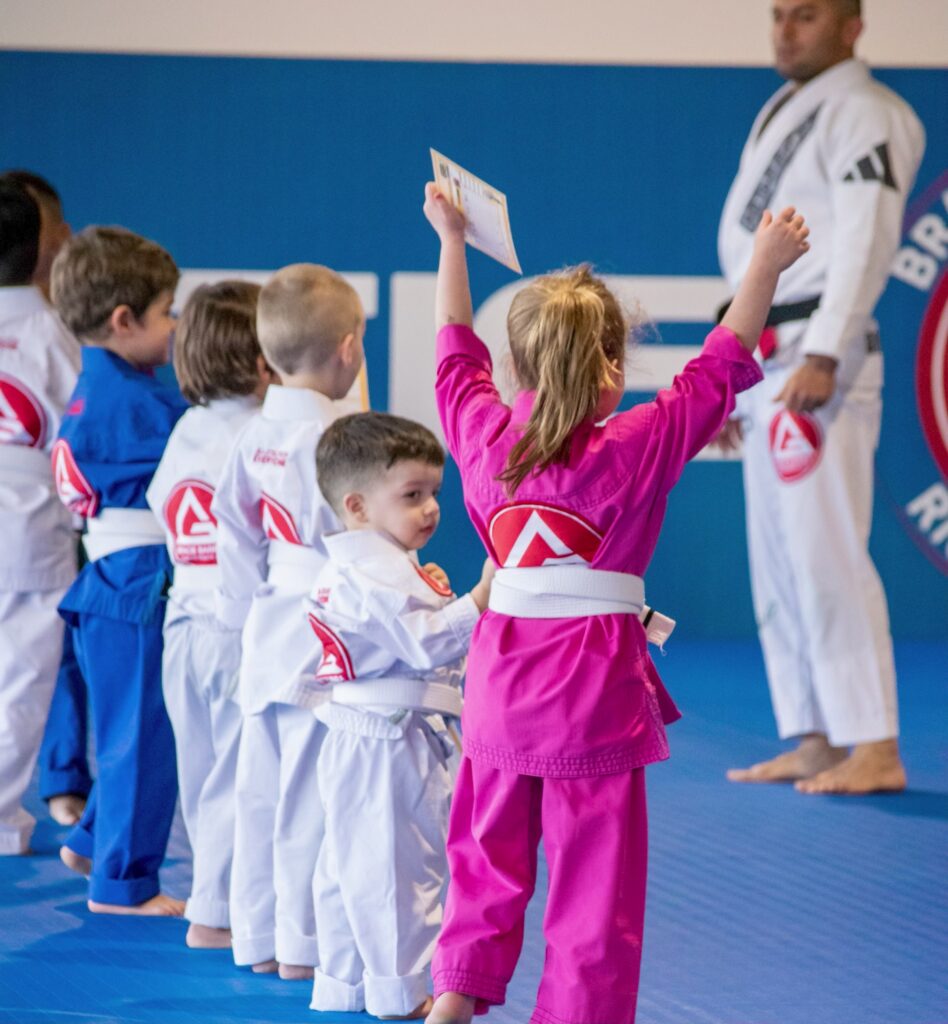
Transform Restless Energy into Lifelong Focus at GB Riverstone
Hyperactivity does not have to be an obstacle to your child’s success. With the proper structure, encouraging mentorship, and physical challenge, energetic children can become remarkably focused leaders. Brazilian Jiu-Jitsu teaches young practitioners how to take charge of their bodies, calm their minds, and build lasting friendships.
Jiu-Jitsu Classes in Riverstone, Sugar Land
Gracie Barra Riverstone welcomes families throughout Sugar Land to experience the transformative benefits of our youth programs. Our Sugar Land facility features clean, high-grade mats sanitized daily to provide a clean and secure training environment. Contact Gracie Barra Riverstone today to schedule your trial class and help your child build unshakeable focus and confidence!